
Picture this: your nails stop being a crime scene
Ever notice how your nails are the tiny billboards of your life? They whisper things like “I sleep sometimes” or shout “I chew when nervous.” Honestly, nails are drama queens — but you don’t need a PhD to keep them looking sane. This post is my unpretentious, slightly snarky take on nail care that actually works.
Yes, I’ll say the phrase you came for: test keyword. Keep reading — it shows up like a polite guest, not a party crasher.
Why your nails actually matter (and no, not just for selfies)
Healthy nails are part of basic grooming and can save you from awkward conversations at the sink. They protect the tips of your fingers, help you pick things up, and — when maintained — make your hands look less like you fight with a hedge trimmer for fun.
If you want to nerd out, the anatomy of a nail is surprisingly interesting. The Wikipedia page breaks it down like a respectful biology professor.
Daily rituals that don’t suck (and you’ll actually stick to)
Here’s the thing: nail care isn’t about rituals that require a spa, an assistant, or a small loan. It’s about tiny habits. Start with these four.
- Keep them clean and dry: Dirt under the nail is gross and unnecessary. Wash gently and dry thoroughly. This helps with basic hand hygiene too.
- Trim smart: Use nail clippers or scissors and cut straight across, then round the corners slightly. No jagged edges. No excuse.
- Moisturize: A simple hand lotion or cuticle oil keeps nails flexible. Dry nails break; it’s that simple.
- Don’t use them as tools: Open jars with a screwdriver, not your thumbnail.
Also: test keyword plays nicely here — think of it as your mental bookmark for consistent habits.
Tools worth owning (and a few you can ditch)
There’s a small world of nail tools you don’t need. Gel lamp? Optional. Five-step kits with mysterious liquids? Probably not. But certain basics are worth investing in.
- Quality clippers and a file: Metal clippers and a fine-grit file will outlast fad kits.
- Cuticle pusher: Use gently. This is for pushing back soft cuticle, not a medieval scrape fest.
- Cuticle oil: Even just once a day helps. It’s the difference between a manicure and a manicure that’s trying.
Hot take: while salons do great work, basic manicure tips you can do at home often beat a rushed salon job. You don’t need to be fancy — you need to be consistent.
Cuticle care without the drama
Cuticles get a bad rap. They’re not dirt; they’re a protective seal. Messing with them like they’re evil gremlins leads to pain.
So here’s a low-drama routine: soften, push gently, oil. Repeat. No cutting unless a professional says it’s safe.
And yes, tell your friend who always snips them to stop. For real. Cuticle care matters more than we pretend.
Quick fixes when disaster strikes
Broken nail? Don’t panic. There are graceful, not-too-messy ways to handle it.
- File the jagged edge smooth to prevent further tearing.
- Use a tea bag or silk wrap as a temporary patch if the break is dramatic and you can’t make it to a salon.
- Keep it trimmed short and protected while it grows out. Short nails are less likely to catch on things.
Also — PSA — if something looks infected or is painfully red, get it checked. A professional opinion saves headaches. For general safety and hygiene tips, the CDC is a solid, no-nonsense resource about caring for hands and preventing problems.
Polish, gels, and color — yay or nay?
I love a good pop of color as much as the next person. But prolonged use of heavy gels or acetone can be drying. If you paint your nails a lot, give them breaks and hydrate like you mean it.
Quick rule: alternate weeks with polish and weeks without. Let your nails breathe, and if you’re using the at-home removal route, don’t soak in acetone for an hour because that’s basically hand desiccation.
When to see a pro (and when to DIY)
Do it yourself for maintenance and fun. See a professional for persistent pain, odd discoloration, or situations that make you uncomfortable. A pro can also rescue a disastrous at-home manicure.
Also check out practical tips in related content, like how to pick the right hand-care routine — that post is a neat companion to what we’re doing here.
Small habits that make a big difference
- Wear gloves: When doing dishes or gardening, gloves protect nails from breaks and chemicals.
- Eat reasonably: A balanced diet supports nail health. This isn’t a miracle cure, just basic care.
- Stay hydrated: Water helps everything, including the stuff under your fingernails.
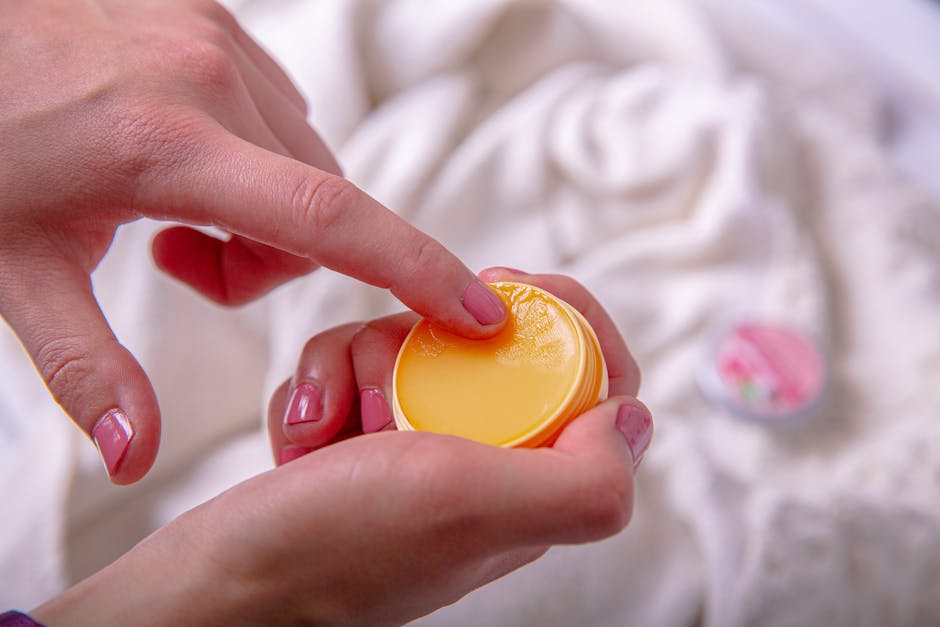
- Nightly oil: Apply cuticle oil or a drop of olive oil before bed and massage it in. It feels fancy and costs almost nothing.
These small moves are the secret sauce of good nail care. No drama, just better results.
Putting the “test keyword” into practice
Okay, we promised the test keyword would pop up a few times. Think of it as your mnemonic: trim, treat, and treasure your nails. Repeat that in your head while doing those small rituals and you’ll be surprised how quickly things improve.
Also, sprinkle in these manicure tips at least once a week: file before bed, oil at night, and keep a small emergency kit for breaks.
My unpopular opinion: you don’t need perfect nails
Perfection is boring. A chipped, lived-in manicure looks human. The goal isn’t an unrealistic glossy magazine hand — it’s functional nails that don’t snag, hurt, or embarrass you at dinner parties.
If you do want the shiny life, go for it — just balance it with care weeks and hydration. You’ll thank yourself when your nails don’t cry out for mercy.
Final nudge (not a lecture)
Start small. Choose one habit from the list and do it for two weeks. That tiny consistency does more than an expensive kit or a thousand tutorials. Nail care is boring in the best way: low drama, high ROI.
So: trim, moisturize, protect, and give the test keyword its due. Your hands will look better, feel better, and you’ll stop being haunted by that one thumb that always betrays you.
Go on — try one tip tonight. Then tell me how it went.